
Quick Answer: What Is a Sand Hole?
A sand hole (or beach hole) is a deep pit or trench dug in the sand. While digging is a common beach activity, holes deeper than 12 inches pose severe risks of sudden collapse, entrapment, and safety hazards for pedestrians and emergency vehicles.
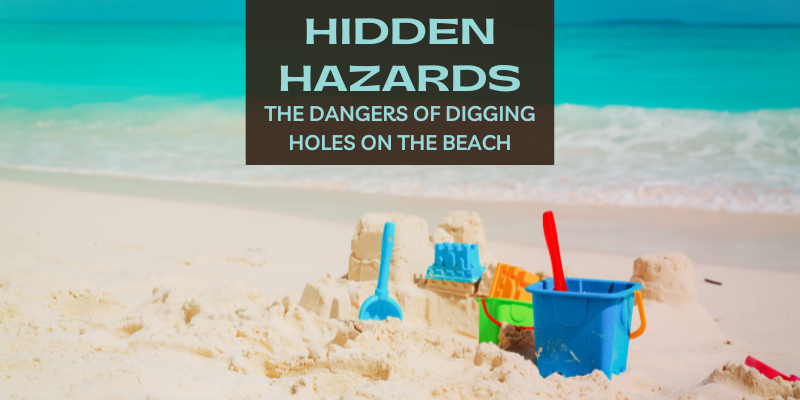
As summer beckons and we all try to get as much time in the sand as we can, the allure of digging holes in the sand is an undeniable temptation for both children and adults alike. While digging holes can be a fun and creative activity, it is crucial to be aware of the potential dangers they pose. Every year, there are deaths and injuries around the country that are the result of digging holes that are either too deep or not filled in safely. This can also be dangerous for the environment and the wildlife, not to mention the emergency service folks who are doing everything they can to keep us all safe and happy while we enjoy this beautiful stretch of sand. Keep reading and we'll explore the hazards associated with digging holes on the beach and highlight the importance of practicing safety and responsibility. We're not saying you shouldn't ever dig holes in the sand, but there are some precautions to take and things to thing about to ensure that you're doing it safely.
What is a Sand Hole?
Let’s begin with a simple definition of what a sand hole or beach hole is. A sand hole is a deep pit or trench dug in the sand, typically at the beach.
While digging in the sand may seem like harmless fun, these holes can be surprisingly dangerous. Sand is unstable and can collapse unexpectedly, trapping individuals inside. On beaches like those on the Outer Banks (OBX), sand holes pose a serious risk, especially to children and beachgoers who may not realize how quickly these pits can become hazardous. Understanding the dangers of sand holes is crucial for ensuring a safe and enjoyable beach experience.
Why Are Sand Holes Unstable?
Dry beach sand is made of loose grains that only hold together through friction. When you dig a deep vertical wall, the sand has nothing to support it once it gets steeper than about 33 degrees, which is the natural limit where loose sand can hold its shape before sliding.
While damp sand near the shoreline feels easier to mold, that moisture evaporates quickly in the sun. Once the sand dries out, it loses its grip completely. The heavy weight of the surrounding dry sand presses down and inward, causing the walls to give way and collapse without warning.
While digging in the sand may seem like harmless fun, the dangers of sandhole collapses are very real and can be fatal. In one tragic incident, a 5-foot-deep hole collapsed on a young girl, burying her under heavy sand before rescuers could reach her. Between 1997 and 2007, there were 31 recorded deaths in the U.S. due to sandhole collapses, with most victims being children and teenagers. These accidents happen quickly and without warning, emphasizing the need for caution when playing in the sand.
Dangers of Sand Hole Collapse and Entrapment
One of the most imminent and obvious dangers that comes with digging large holes in the sand is the threat of collapse and entrapment. This is especially dangerous for children but can happen to anyone. Digging deep holes without proper planning or precautions can lead to the collapse of loose surrounding sand resulting in something potentially life-threatening. When individuals become trapped beneath the weight of the sand, this can lead to suffocation or injury. This is especially true for very deep holes or holes dug near dunes. Sand is, by nature, structurally unstable. Beach erosion, storms, and the removal of sand can weaken the area, potentially causing issues even after the hole has been filled back in.
Injuries and Hazards from Sandholes
Even if you find yourself digging a smaller hole or only partially filling in the larger holes, these uncovered holes can still be a safety hazard on the beach. People walking or running along the shoreline can accidentally step into the holes, causing sprains or even broken bones. At night, uncovered holes can become very dangerous due to the lack of visibility with an increased risk of accidents. This also includes a beach where driving is an option. If a car accidentally drives over an uncovered hole or tries to cross a hole that wasn't properly filled in, the car can become damaged and/or the people inside can be severely injured.
Sand Holes Cause Problems for Emergency Services
And speaking of vehicles, when people dig deep holes in the sand, even if they intend to cover them up later, it can cause serious issues for lifeguards, EMTs, and other emergency services. Emergencies can happen at any time so there's a chance that people won't be able to fill in the hole in time for emergency vehicles to make it through. In the case that holes are left uncovered, lifeguards on 4-wheelers and other emergency vehicles can easily get stuck in even knee-deep holes. This can result in additional injuries and delayed response time for the person in distress. This creates a much larger problem that can be easily avoided by only digging very small holes or avoiding digging holes at all.
Environmental Impact from Sand Holes
Digging large holes on the beach can also have a pretty serious damaging effect on the fragile coastal ecosystem of the Outer Banks. Removing or relocating large amounts of sand can disrupt or damage the habitats of local species, including nesting sites for endangered sea turtles. Not only that, but leaving large holes unattended can also trap and harm turtles and other wildlife such as crabs or even small fish as they try to make their way back to the ocean. Other wildlife can easily become injured when they fall in the holes or become disoriented to the point that they suffer lasting physical damage.
Not only that, but digging deep holes, even ones that you eventually fill back in, can help contribute to ongoing problems with beach erosion. Removing sand disrupts the natural balance of the shoreline, making it more susceptible to erosion cause by tides, waves, and storms. This is damaging not only for the beauty of the area and the amount of recreational space, but it also limits wildlife habitats and can create a dangerous situation for roads and homes on the Outer Banks.
Safety Tips When Digging Sand Holes at the Beach
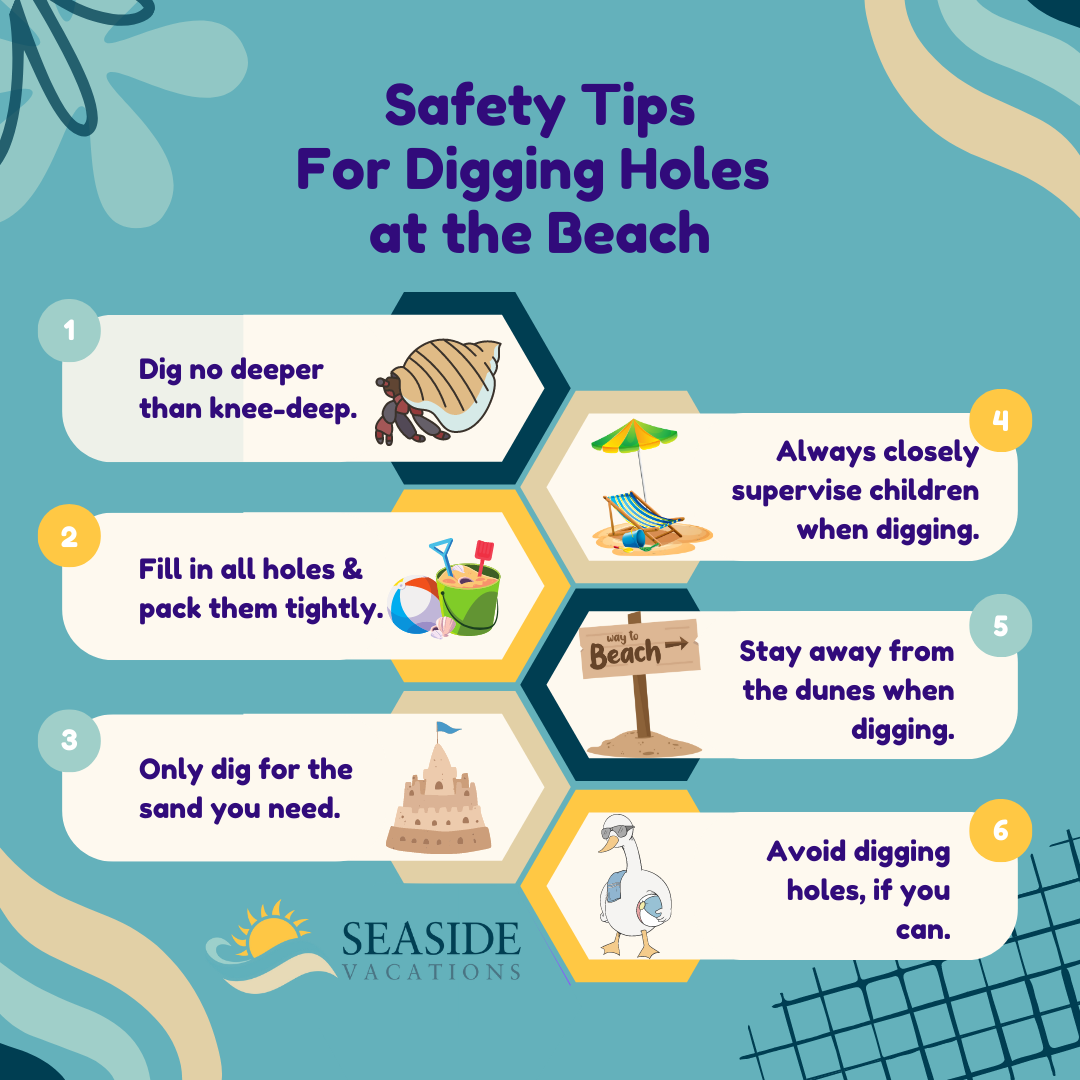
To ensure safety while digging at the beach, it's important to follow some basic guidelines:
Avoid digging any hole deeper than knee height, or a maximum of 12 inches, especially for children.
Never allow anyone to enter a hole deeper than they are tall.
Always closely supervise children whenever they are playing or digging near the shore.
Only dig for the sand you need to build your creations.
Stay away from dunes when digging to protect natural barriers.
Always fill in and pack down any holes completely before leaving the beach.
Consider alternative ways to build sandcastles without digging deep pits.
What to Do If a Sand Hole Collapses
If a beach hole collapse happens, quick action makes all the difference. Because beach sand is heavy and unpredictable, here is what you need to do right away:
Call 911 immediately: Get professional emergency responders on the way the moment an entrapment happens. Do not wait or try to handle a deep collapse alone.
Focus on the face and chest first: If the person's head is buried, quickly clear the sand away from their mouth, nose, and chest so they can breathe while you continue digging.
Limit the number of rescuers: Too many people digging around the hole can cause more surrounding sand to cave in. Keep the rescue circle small and efficient.
The Dangers of Digging Holes on the Beach - Dare County, North Carolina
FAQs About Sand Holes
Are there laws or fines for digging holes on the beach?
Many coastal areas enforce strict ordinances prohibiting deep holes or requiring beachgoers to level the sand before leaving. Unattended deep pits are treated as serious hazards by local officials and safety patrols. While digging beach holes is legal on the Outer Banks, it's important to remember the dangers of digging deep holes.
Why do kids' sand holes cause issues even if they look small?
Even a modest hole can turn into a larger problem when multiple kids dig them all over a popular stretch of shore. As people walk by or the tide rolls in, the surrounding sand shifts into those hidden pockets, creating unexpected tripping spots for pedestrians.
Do I really need to fill in my sand holes before leaving?
Yes. Uncovered holes left behind on the beach create major tripping hazards for people walking at night, can damage vehicles, trap local wildlife like sea turtles, and interfere with emergency response vehicles.
How deep can you dig a hole in the sand at the beach?
As a general safety rule, you should never dig a hole deeper than 12 inches or past knee height. Deep pits pose a severe risk of sudden collapse and trap hazards for both beachgoers and emergency vehicles.
Be Smart and Considerate During Your Next Vacation
While digging holes on the beach can be a source of entertainment and creativity, it's essential to recognize and mitigate the potential dangers they present. By understanding the risks associated with digging holes and adopting responsible practices, we can ensure a safer and more enjoyable experience for everyone. Let's prioritize beach safety and environmental conservation, preserving the beauty of our coastal treasures for generations to come.
Book Your Next Beach Vacation Today!
Give our wonderful Guest Services Team a call today at (866) 884-0267 or take a look at our available rentals to get started planning your next historic adventure to the Outer Banks. And don't forget about our layaway plan, which makes booking your dream vacation easier than ever. So don't wait. We're booking Outer Banks vacation rentals year round and we're excited to help you create memories to last a lifetime. We're here to help make your OBX vacation fun, exciting, and hassle-free. Give us a call today! Be sure to provide accurate information and make any necessary payments.
Ready to start planning? Our layaway plan makes it easy to lock in your first Outer Banks vacation now and pay over time. Give our local team a call, and we'll help you find the right town, the right home, and the right week for your group.
FIND THE PERFECT VACATION HOME BY CATEGORY:
- Dog-Friendly Rentals
- Oceanfront Rentals
- Rentals with a Private Pool
- New to Seaside
- Group Travel and Event Homes
- Any Day Stays
Or by City:
Explore our website and give us a call to help kick-start your unforgettable Outer Banks vacation today. Be sure to follow us on BlueSky, Tumblr, Reddit, Facebook, Instagram, YouTube, Pinterest, and TikTok to stay up to date on all of our specials, new & featured homes, and tips & tricks for making the most of your next Outer Banks vacation.
We’ll see you at the beach.



